Mastering the Art of the Chinese Banquet: How to Host a High-Value Dinner on a Moderate Budget
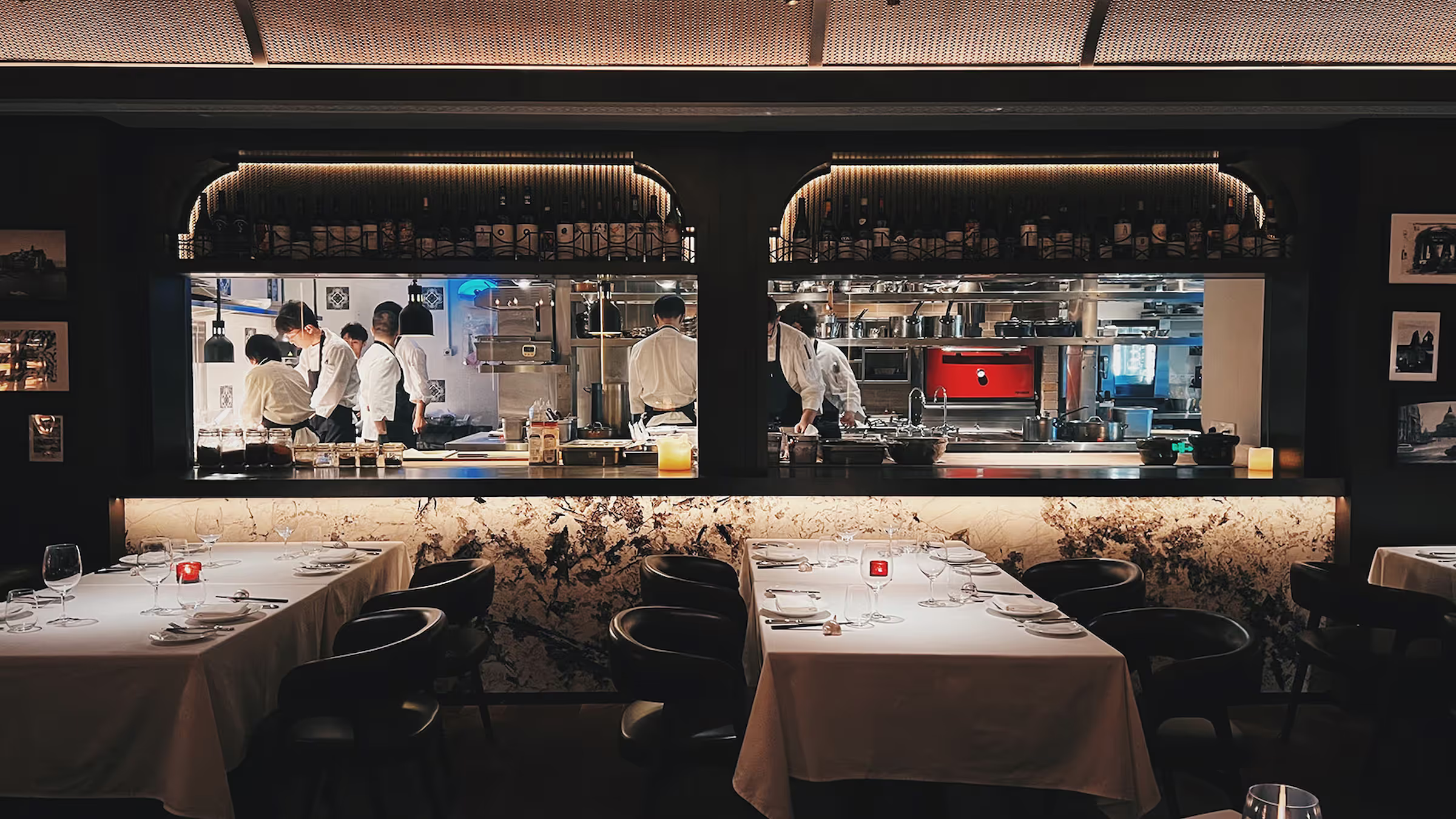
In the business world, hosting elders, clients, or partners for a formal meal is an inevitable ritual. Unlike a casual gathering with friends where the goal is simply to have fun, a formal banquet is about dignity, propriety, and sincerity.
Many people freeze up when handed a thick menu in a high-end Chinese restaurant. They either order a table full of expensive dishes with no focal point, or they order too frugally, failing to make the right impression. In reality, ordering is a technical skill. The goal is to use a reasonable budget to create the most impactful experience possible.
The First Step: Strategic Venue Selection
I often tell young friends that the success of a formal dinner starts before you even look at the menu—it starts with choosing the restaurant.
For business dinners or formal family gatherings, my personal experience suggests prioritizing restaurants in high-star hotels or well-established local culinary landmarks. Hotel restaurants have a major advantage: they cater to diverse palates, their cuisine is generally consistent and inclusive, and their service is standardized, minimizing the risk of embarrassing mishaps.
However, a detail to note: private dining rooms in these establishments often have a minimum spend or average check significantly higher than the prices listed on group-buying apps. When selecting a venue, it’s wise to mentally add a 30% to 50% buffer to your budget. This is the true cost of social capital.
The “Four Golden Rules” of Ordering
When it comes to the actual ordering, I follow four golden rules.
1. Highlight Value
Simply put, your key dishes must “look expensive.” You should select ingredients that are universally recognized as premium, such as crab, Wagyu beef, or matsutake mushrooms. Some niche ingredients might be expensive, but if they look ordinary, they offer low “social value” in a formal setting because guests may not perceive your sincerity.
2. Prioritize Main Courses
A menu needs hierarchy. Lock in 1-2 “showstopper” dishes first. These anchor the meal. Then, build the rest of your hot dishes, cold appetizers, and staples around them. This creates a clear structure.
3. Structural Balance
This tests the host’s true skill.
- Ingredients: Try to cover pork, beef, chicken, fish, shrimp, crab, and vegetables. Avoid a table full of different pork variations.
- Flavors: Balance salty, savory, sweet, sour, soy-based, and spicy notes. Be especially careful with sweet and sour dishes—like Squirrel Fish (Songshu Guiyu), Sweet and Sour Pork, or Guobaorou. Even if the ingredients differ, the flavor profile is repetitive. One representative dish per meal is enough.
4. The Quantity Formula
- Main Courses: 1 to 2 dishes.
- Hot Dishes: Number of people = Number of dishes (or +1).
- Cold Appetizers: For fewer than 5 people, 4 dishes.
- Soup: 1 soup course.
This formula ensures the table looks bountiful without resulting in wasteful leftovers, showing that the host is generous yet disciplined.
A Suzhou Case Study
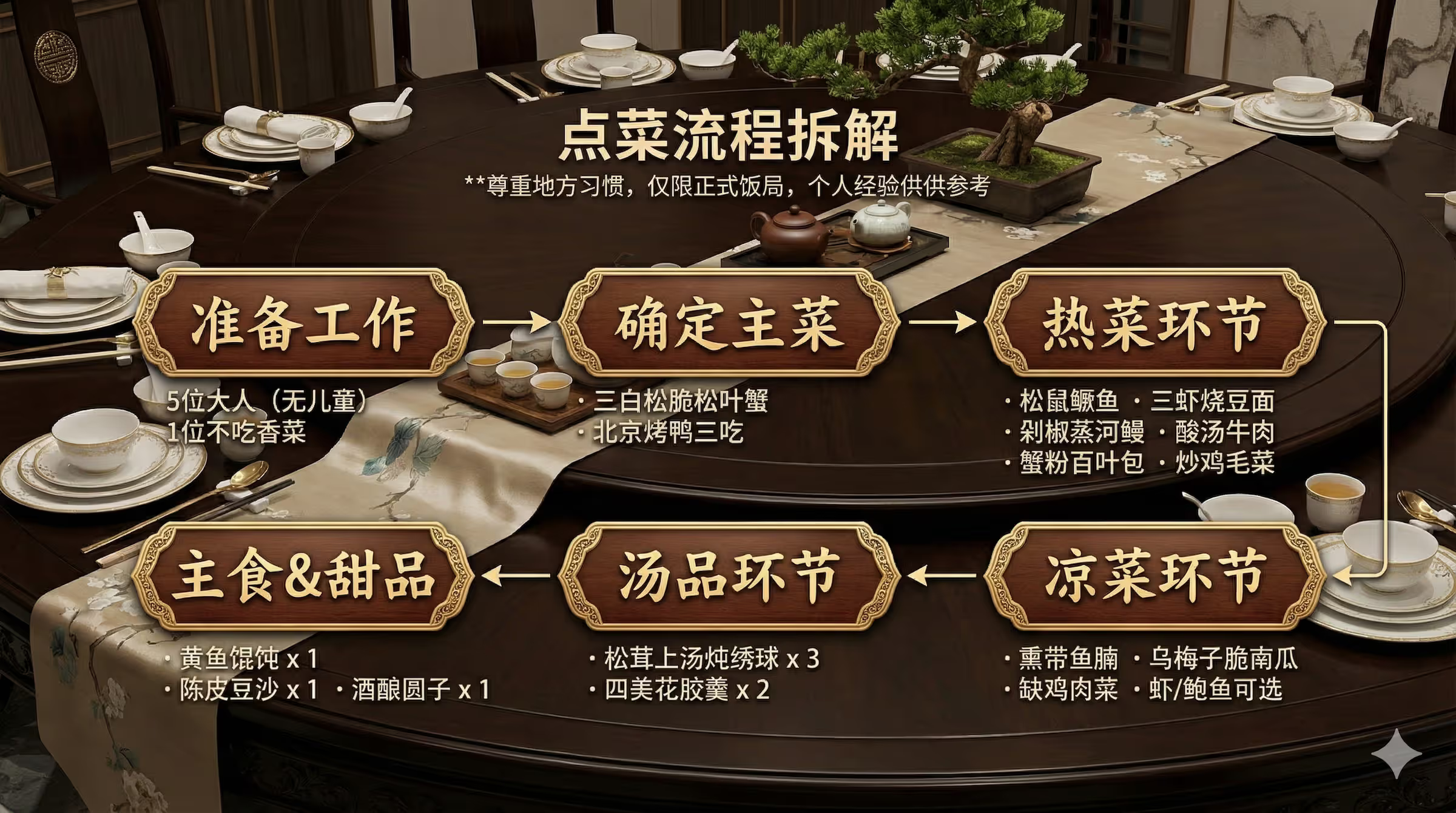
Let’s review a dinner I recently hosted in Suzhou for 5 adults.
** The Anchors:** I started with two main courses: “Tri-White Crispy Snow Crab” and “Peking Duck (Three Ways).”
- Snow crab is a recognized premium ingredient with an impressive presentation.
- Peking Duck brings ritual. The chef carving the duck tableside instantly elevates the atmosphere.
With these two pillars in place, the rest was easy.
The Support:
- Squirrel Mandarin Fish (Songshu Guiyu): A traditional Suzhou specialty, festive and presentable.
- Steamed River Eel with Chopped Chilies & Sour Soup Wagyu Beef: These added variety, balancing river seafood with red meat.
- Seasonal Touch: Crab Roe Tofu with Bean Curd Sheets and a simple Stir-fried Crown Daisy (Tonghao) for freshness.
The layering of the meal was distinct and balanced.
The Advanced Move: Individual Servings
Here is a seasoned pro tip: Wherever possible, choose “individual serving” dishes.
For the soup, I ordered “Matsutake Mushroom and Hydrangea Tofu Soup”, served individually for each guest. This simple change instantly elevates the meal from “gathering” to “banquet.”
For cold appetizers, I chose Jasmine Smoked Ribbon Fish, paired with Ebony Plum Jelly and Sand Onion Crispy Chicken. These dishes sound sophisticated and provide excellent conversation starters before the meal begins.
The Host’s Execution
If you are the one paying the bill, arrive at the restaurant 30 minutes early.
Confirm the menu before your guests arrive. This is crucial for seafood sold by weight—ask the unit price and estimated total cost beforehand so you know what to expect.
Flipping through a menu and asking prices while guests are seated makes everyone uncomfortable. It makes you look unprepared and your guests feel constrained. A true master host allows guests to enjoy a meticulously arranged meal in a relaxed, respectful atmosphere, without ever seeing the effort behind the curtain.
Published at: Jan 11, 2026 · Modified at: Jan 15, 2026